Understanding Peptides & Molecular Research
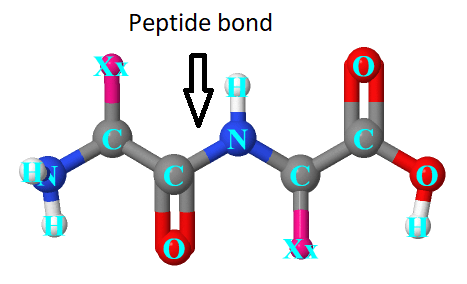
Peptides are short chains of amino acids linked by covalent bonds. In advanced laboratory settings, these compounds are indispensable tools for exploring complex biological pathways, hormone regulation, and metabolic signaling.
Chemical Structure
Typically defined as chains consisting of 2 to 50 amino acids. Their small molecular weight allows for extreme specificity in binding to cellular receptors, making them ideal for precise metabolic and signaling research.
Functional Versatility
Peptides function as hormones, neurotransmitters, or specialized growth factors. In scientific investigation, they are deployed to study glucose metabolism (GLP-1) and structural tissue repair mechanisms (BPC-157).
Laboratory
Synthesis Standards
SPPS Methodology
Synthetic peptides are produced via Solid-Phase Peptide Synthesis (SPPS) utilizing Fmoc/Boc protecting groups to ensure sequence accuracy.
Sublimation Protocols
Compounds undergo high-vacuum lyophilization to remove all moisture, stabilizing the molecular structure for long-term integrity.
Aseptic Reconstitution
Investigators reconstitute lyophilized cakes with bacteriostatic water under sterile conditions for precise volumetric laboratory dosing.
Core Analytical Fields
- EndocrinologyStudying somatotropic axis regulation and receptor dynamics.
- ProteomicsInvestigating collagen synthesis and cytokine modulation.
Critical Methodology Guidelines
Research peptides are sensitive to environmental degradation. Factors like thermal fluctuations and mechanical agitation can cause proteolysis, compromising experimental precision.