Beyond Steroids: Why Peptides Are Redefining Muscle Growth and Recovery
While potent anabolic steroids like Oxymetholone (Anadrol) promise massive gains, they come with a laundry list of severe side effects. In this post, we explore the safer, smarter alternative: peptides. Discover how compounds like BPC-157, Ipamorelin, and CJC-1295 work with your body’s natural biology to facilitate lean muscle growth, rapid healing, and recovery without the toxic burden of oral or injectable steroids.
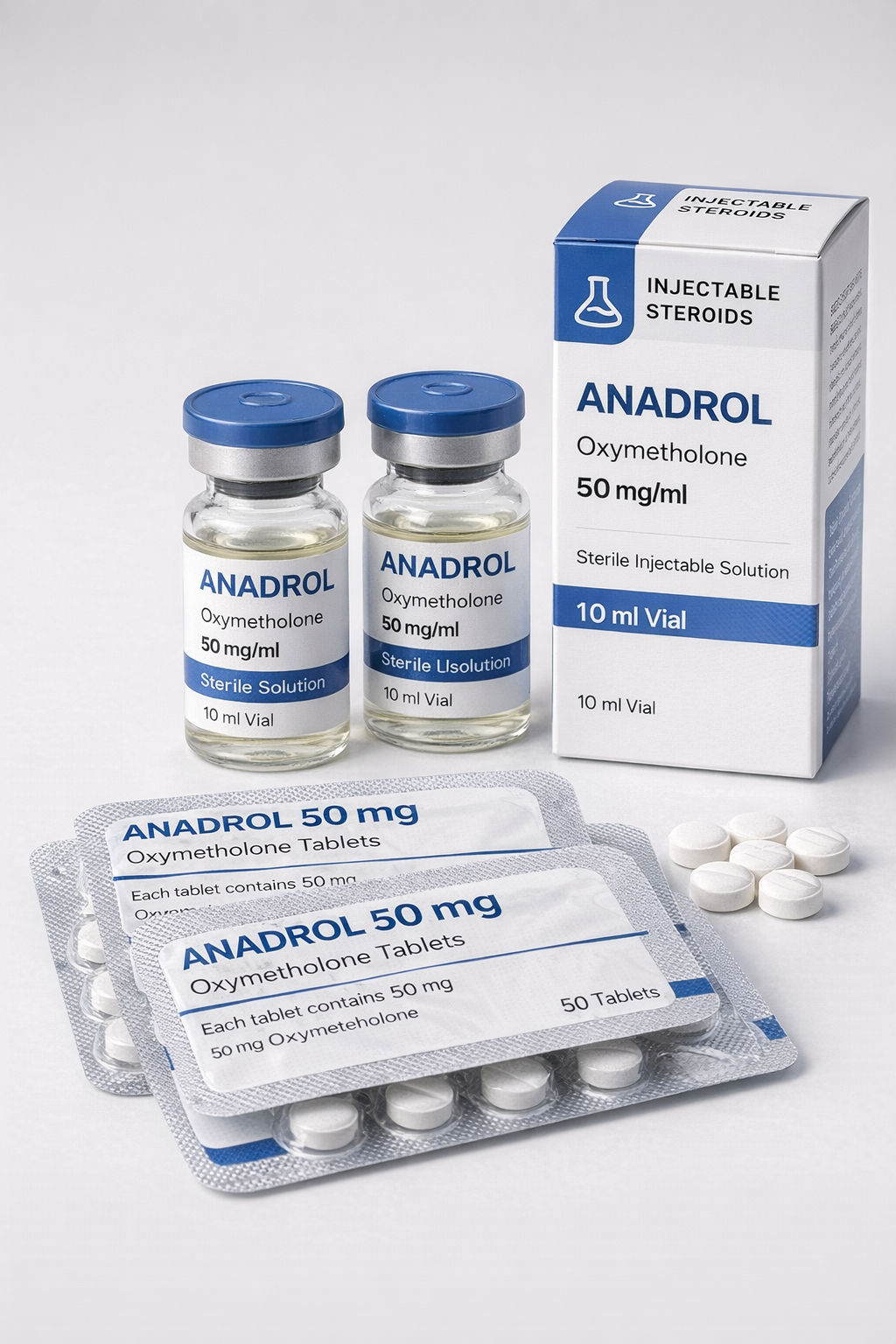
The world of performance enhancement has long been dominated by potent anabolic agents. When you see a compound like Oxymetholone (Anadrol) —often touted as one of the strongest oral anabolic steroids available—the appeal is obvious. It promises rapid increases in strength, red blood cell production, and dramatic weight gain.
However, as the image notes, this power comes at a cost. Anadrol is associated with severe hepatotoxicity (liver damage), estrogenic side effects, and significant cardiovascular strain. For many athletes and biohackers, the risk-to-reward ratio simply doesn’t add up anymore.
Enter **Peptides**.
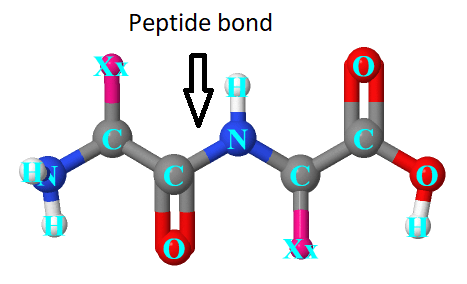
Peptides represent a paradigm shift in how we approach physical enhancement. Instead of forcing the body into a supraphysiological state (like steroids do), peptides act as signaling molecules that encourage the body to heal, grow, and optimize *itself*.
Here is why peptides are gaining popularity as the superior alternative to harsh injectable steroids.
---
1. The Mechanism: Signaling vs. Forcing
Steroids like Oxymetholone work by directly binding to androgen receptors. This forces protein synthesis into overdrive, but it also disrupts hormonal balance, leading to testosterone suppression, acne, hair loss, and mood swings.
Peptides, specifically **Growth Hormone Secretagogues (GHS)** like **Ipamorelin** and **CJC-1295**, work by gently stimulating your pituitary gland to release natural growth hormone (GH) in pulses. This mimics the body's natural rhythms, leading to steady fat loss, improved sleep, and lean tissue accrual without the "crash" or hormonal rollercoaster associated with steroids.
---
2. Safety Profile: Liver and Organ Health
One of the biggest red flags with oral anabolic steroids is hepatotoxicity. "17-alpha-alkylated" compounds (like Anadrol) are chemically altered to survive the liver, which often results in liver stress or damage.
Peptides, particularly **BPC-157** (Body Protection Compound), actually do the opposite. BPC-157 is renowned for its ability to heal the gut, repair tendons, and even *protect* the liver and stomach lining from damage. For athletes looking to build a sustainable career, protecting their organs is just as important as building their muscles.
---
3. Injury Repair and Longevity
Steroids can make muscles grow faster than tendons and ligaments can keep up, leading to a higher risk of injury. They also offer little to no benefit for joint health.
Peptides excel in connective tissue repair:
- **BPC-157:** Accelerates healing of muscle tears, ligament sprains, and tendonitis.
- **TB-500 (Thymosin Beta-4):** Promotes cell migration and wound healing, allowing athletes to recover from injuries that would otherwise sideline them for months.
---
4. Quality of Gains
The weight gained on steroids like Anadrol is often a mix of muscle, water retention, and glycogen supercompensation—much of which is lost post-cycle due to the "crash."
Peptides promote **lean, sustainable gains**. Because they improve sleep quality (deep sleep is where GH is released) and metabolic function, the muscle gained is typically easier to maintain. Users often report better skin elasticity, stronger hair, and improved joint health as side benefits.
---
The Verdict
While the allure of a powerful injectable steroid like Oxymetholone is understandable—especially when looking at the "$230" price tag for rapid results—the long-term cost to your health is steep.
Peptides offer a path forward for the discerning athlete. They require patience (results build over weeks, not days), but the results are cleaner, safer, and often permanent because they rely on improving your underlying biology rather than hijacking it.